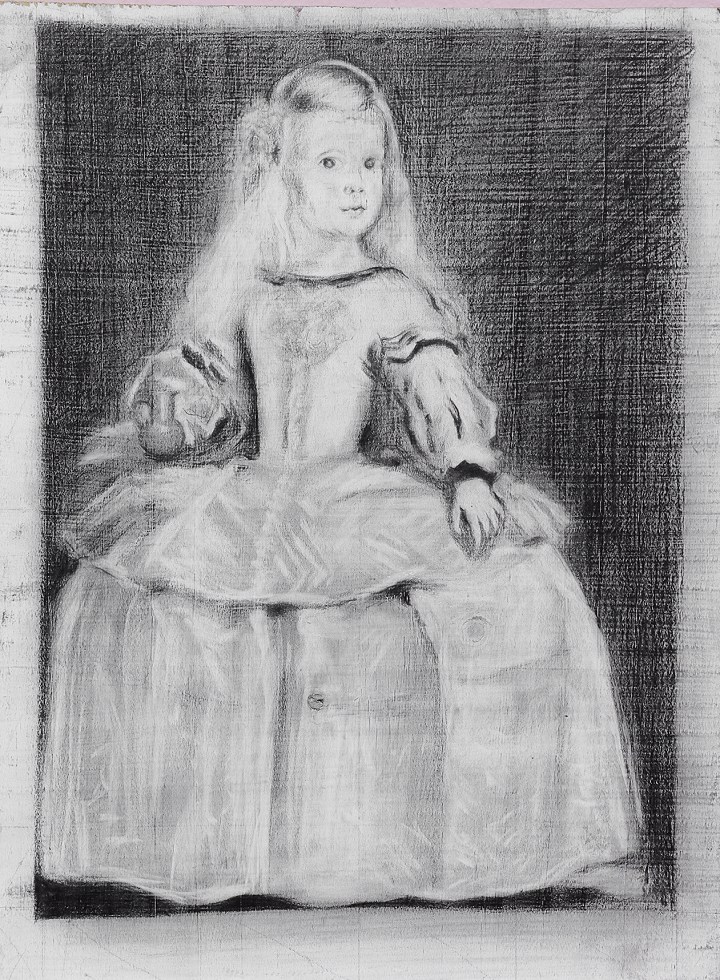
MARGARITA, infanta
Estudio after Velázquez (La Familia de Felipe IV, Las meninas, detail)
Pencil on panel
2022-23 c

The «Velázquez» Theme in Spanish Tradition
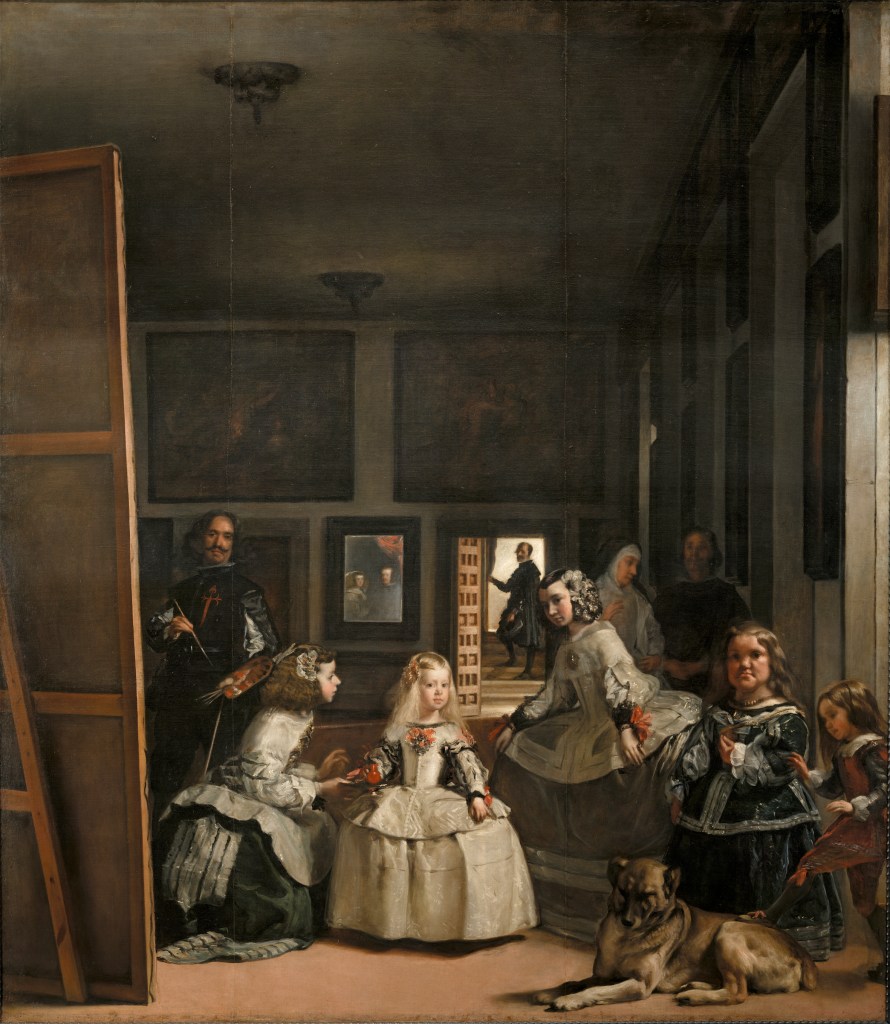
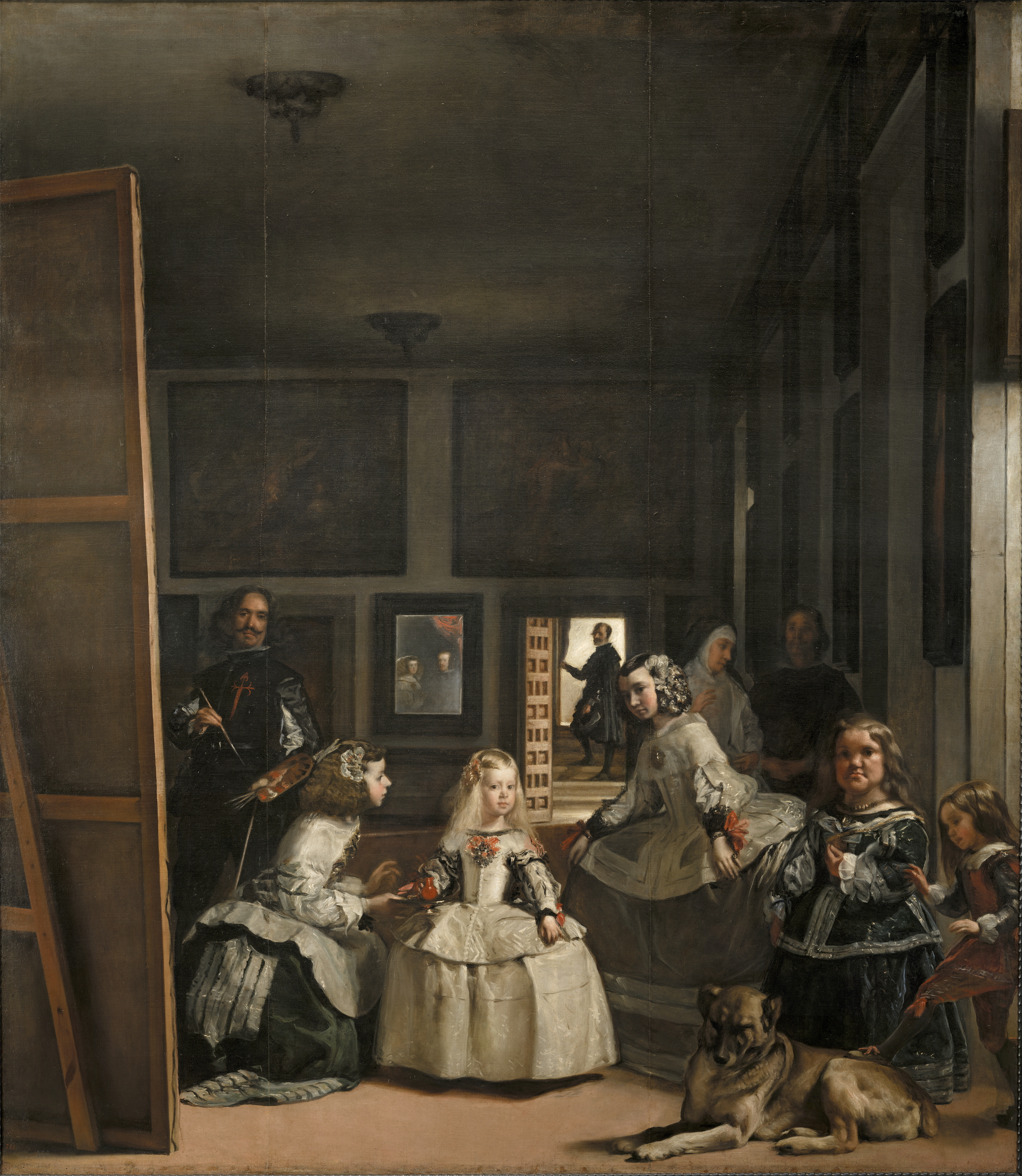
La familia de Felipe IV, Diego Velázquez
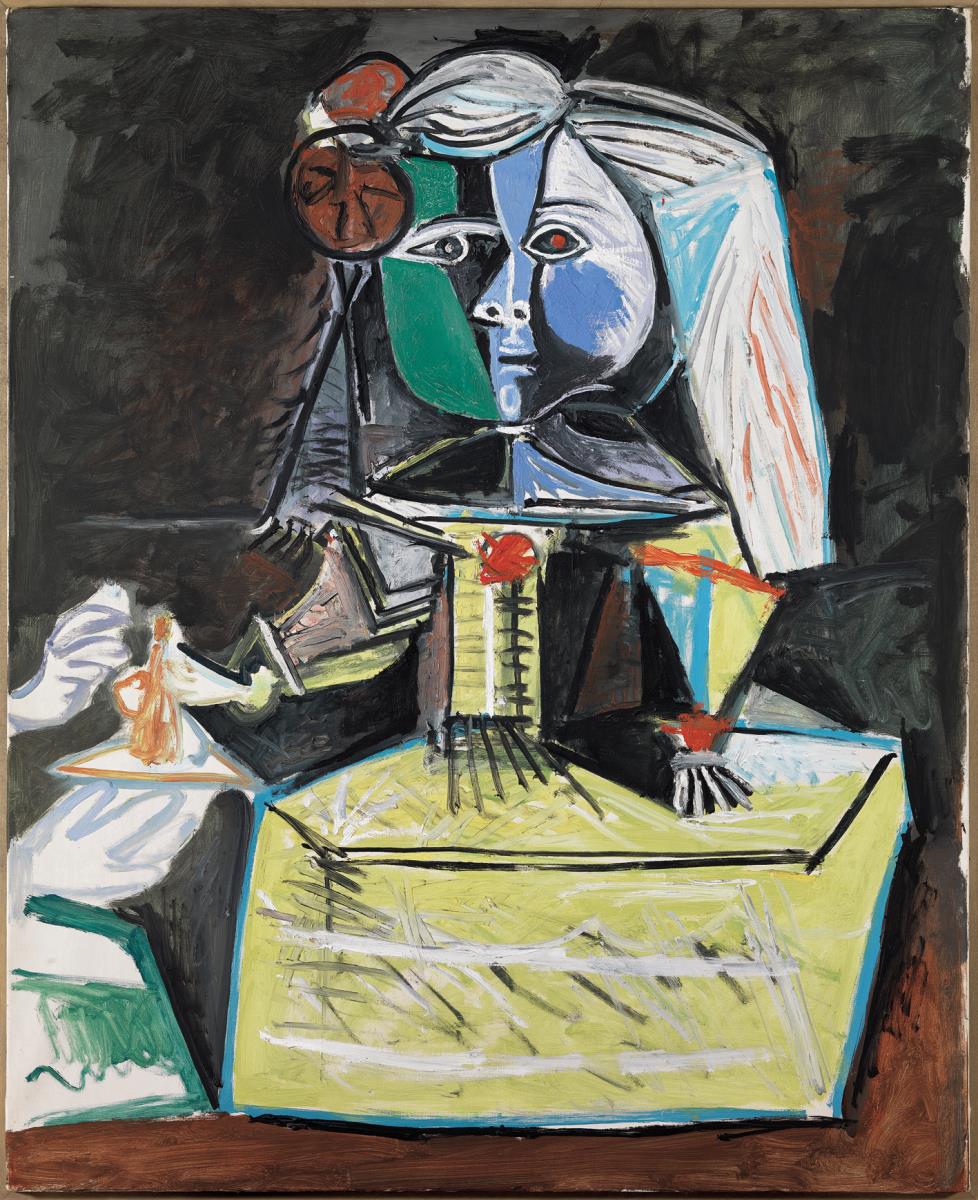
The «Velázquez» theme within the Spanish pictorial tradition represents a constant obsession and preoccupation for the intellectual devoted to painting. It is, for good reason, a foundational subject. Among his works, The Family of Philip IV (Las Meninas) is a recurring motif, as is the figure of the Infanta Margaret Theresa. Beyond being regarded by scholars and art historians as the cornerstone of the history of painting, Las Meninas has been engaged with by painters of the caliber of Goya, Dalí, and Picasso. Countless studies and variations have emerged from this work, ranging from oil paintings and drawings to cubist deconstructions. (Of note is the vast theoretical literature surrounding this Velázquez masterpiece, analyzed through every lens: composition, volumetrics, palette, priming, execution, the play of mirrors, natural light, and the self-portrait within the collective royal portrait).
In this particular instance, the figure of the Infanta has been rendered in graphite on primed panel. The grayscale is constructed through systems of superimposed cross-hatching. This approach evokes the etching studies Goya executed while analyzing twenty-three compositions by the Sevillian genius. This study aligns with Goya’s method, specifically in resolving the replica through the technique of hatching.
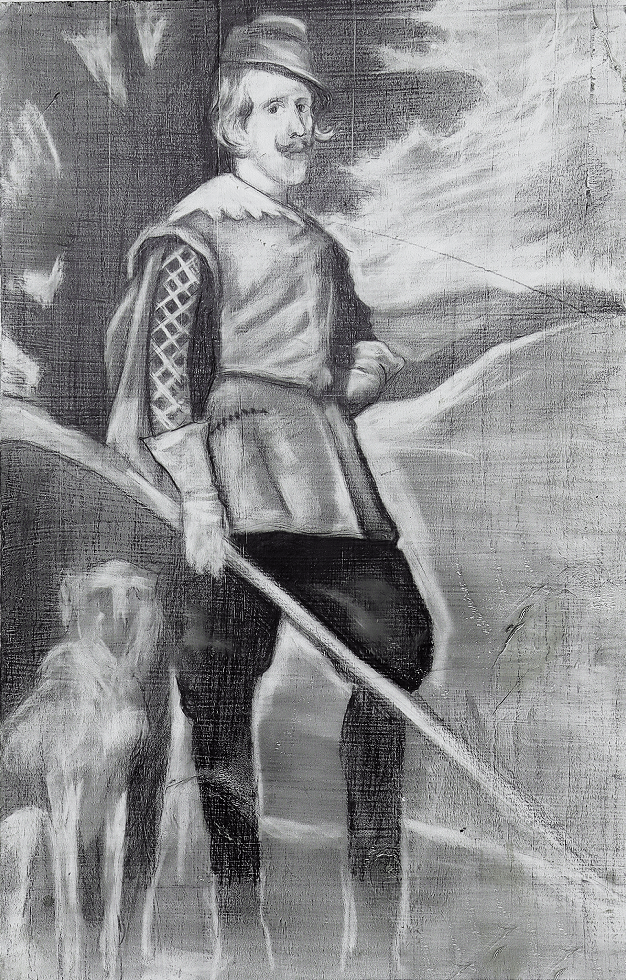
It is a deeply personal and intimate study with precedents in the themes of Spanish monarchical tradition and court painting. Within the «DA» body of work, it forms a set with other small panels featuring Felipe IV, the Princess of Asturias, and the Infanta Margaret Theresa. Additionally, there are other studies of the Infanta Margaret—also after Velázquez—dating from the 2010–2012 period.
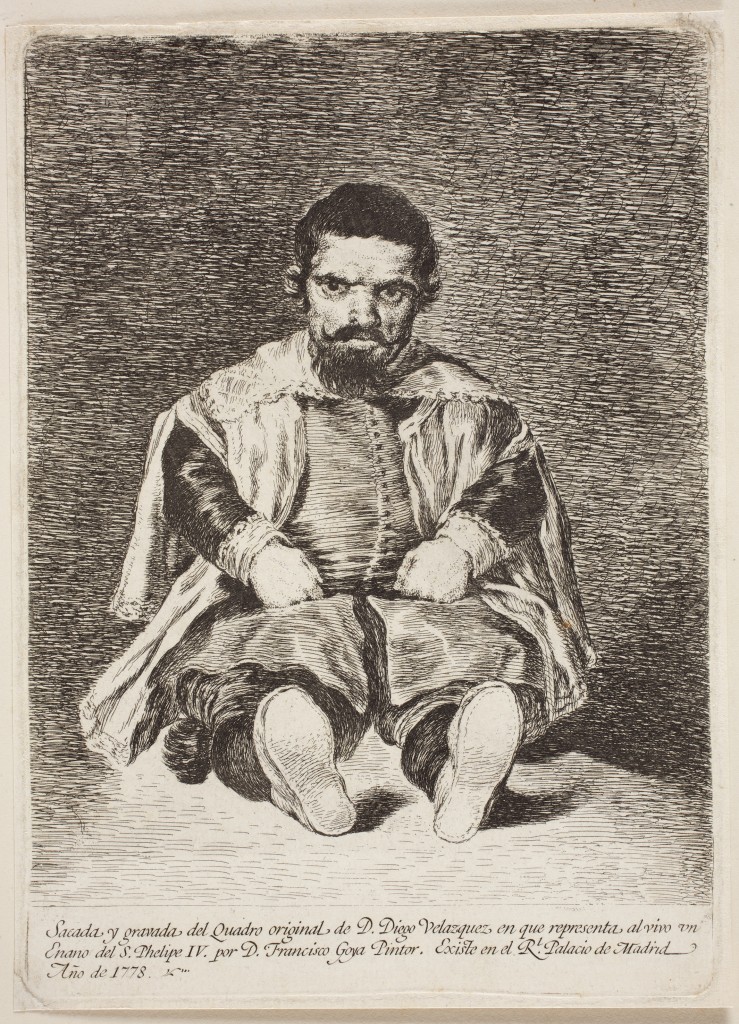
Goya, aguafuerte a partir de Velázquez
El tema «Velázquez» en la tradición pictórica española supone una obsesión y una ocupación constante en el intelectual abocado a la pintura. Por algo es y constituye un tema. Y es un tema también muy recurrente el de «La Familia de Felipe IV» (Las meninas), como lo es asimismo la figura de la Infanta Margarita. El cuadro Las meninas, además de ser considerado por casi toda la apreciación culta y la teoría histórica la piedra angular de la historia de la Pintura, ha sido así tratada por pintores de la flema de un Goya, o un Dalí y también por Picasso. Todo tipo de estudios y variaciones han surgido a partir de esta obra (La familia de Felipe IV): óleos, dibujos, bocetos, decompociones cubistas, etc. (Notable ha de ser toda la literatura teórica respecto de este cuadro de Velázquez sujeta desde toda suerte de argumento: composición, volumetrías, paleta, imprimación, ejecución, juego de espejos, luz natural, autorretrato dentro del retrato colectivo real, etc).
En este caso particular, la figura de la infanta ha sido representada en grafito sobre tabla imprimada. La escala de valores de grises está configurada por sistemas de achurados superpuestos. Evoca a los estudios al aguafuerte que ejecutó Goya en su momento estudiando 23 composiciones del genio sevillano. Es un estudio que coincide con Goya en este punto, en el modo de resolver la réplica por medio del método del achurado.
Es una pieza de estudio más bien personal e intimista y tiene un par de antecedentes en el tema de la tradición monárquica española y la pintura de cámara, y hace conjunto en la obra DA con otras pequeñas tablas en que aparecen Felipe IV, La Princesa de Asturias y la Infanta Margarita. Existen también además un par e estudios de la Infanta Margarita también a partir de Velázquez del período 2010-2012.
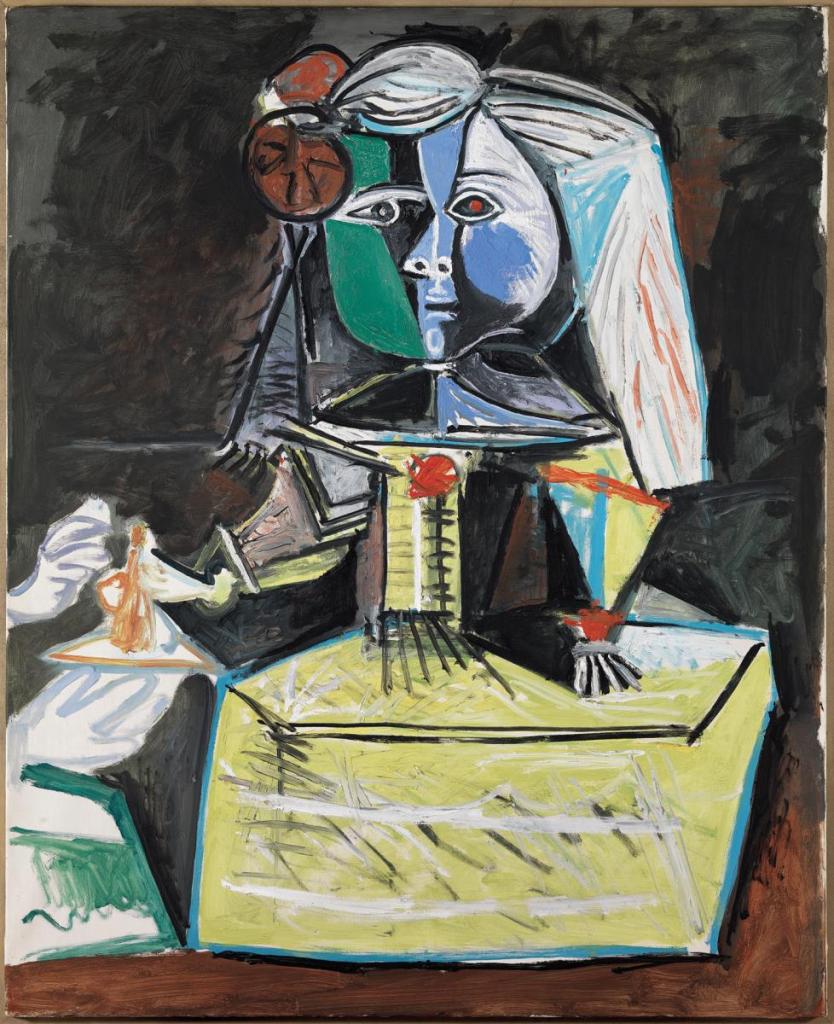
Infanta Margarita, Pablo Picasso