PAINTING
PAINTING

The Amazing Spider-Man, Or BANG! Onomatopoeia for the Death of Lichtenstein
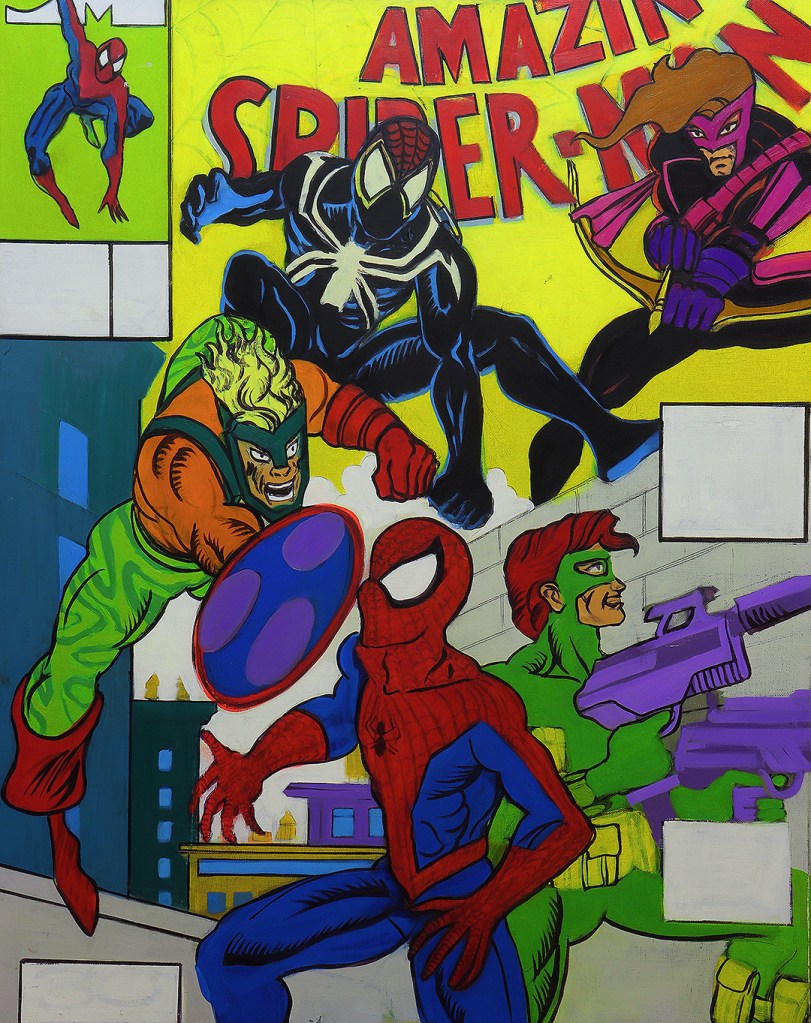
The Amazing Spiderman
Oil on canvas, Work in progress, estudio
70×90
2021
Pop Art
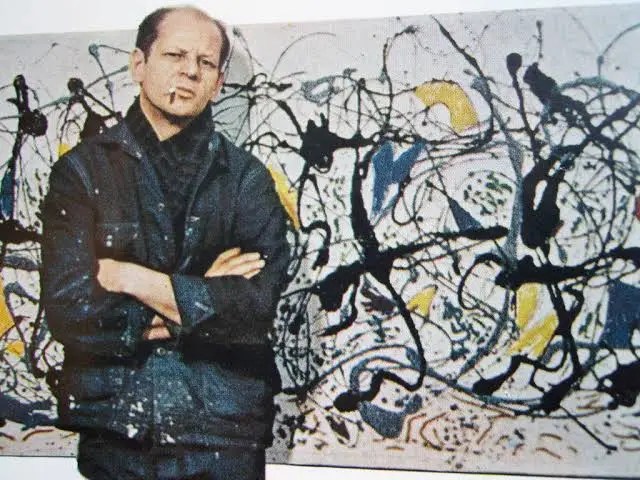
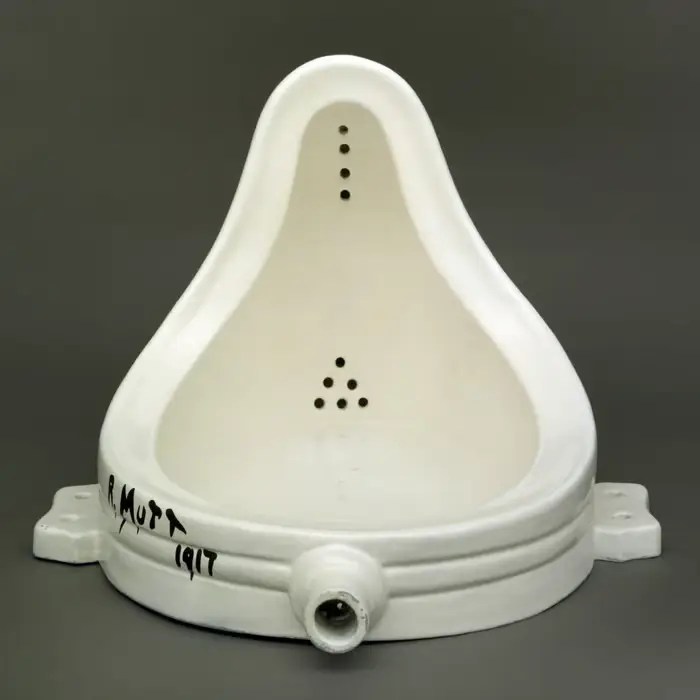
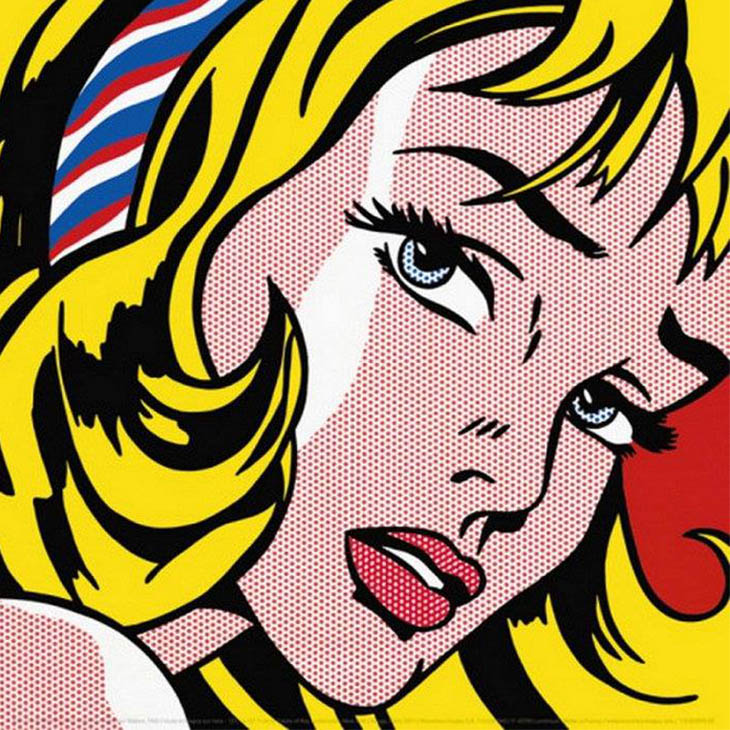
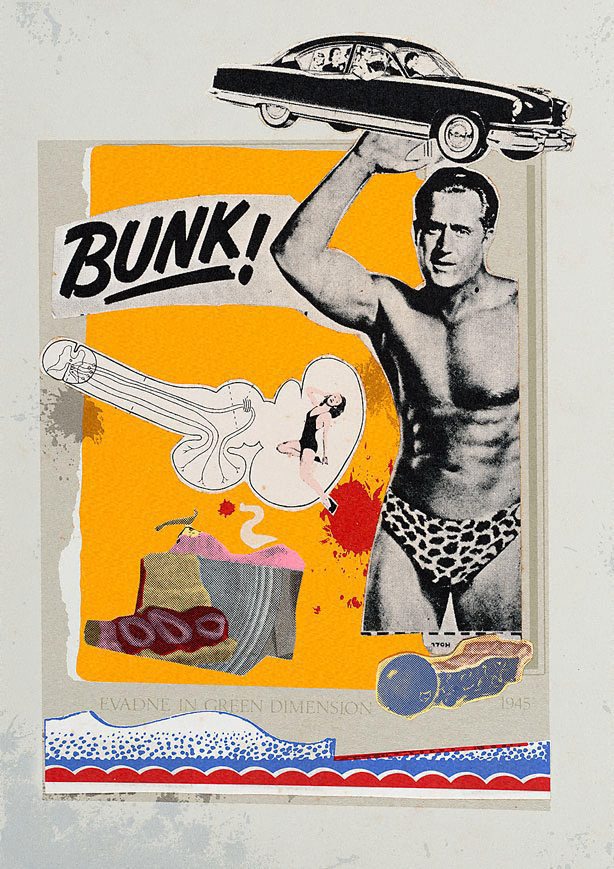
Pop Art emerged as a distinct movement in the mid-1950s, succeeding Abstract Expressionism and Dadaism—or, according to certain historical criticism, as a direct response to them. Its primary motivations were centered on proposing a reinterpretation of representational art, of Painting, and more broadly, of Academicism and the Fine Arts. Constituent elements of the Pop language draw from comic art, magazine aesthetics, graphic and television advertising, and cinema. For many art historians and critics, the movement began with Eduardo Paolozzi’s work Bunk! (1947–49). (Curiously, in Paolozzi’s Bunk!, a man appears wearing Jaguar-print trunks—yet another manifestation in Art History of the predestination of my own pictorial work…)
For this particular painting, I chose The Amazing Spider-Man as the subject for my first foray into Pop Art painting, as he was one of the most beloved superheroes of my childhood, alongside ThunderCats, He-Man, and G.I. Joe.
About Creative and execution Process
Executing this painting proved considerably more difficult than I had anticipated due to its structural elements inherent to comic art: flat colors and hard edges. This posed quite a challenge to execute in oil on canvas, marking my initial approach to this style of Pop Painting—from which I foresee an entire series in a format larger than this A0 piece.
Thus, The Amazing Spider-Man has become one of the most headache-inducing paintings I have ever created, even more so than those in the hyperrealism genre. It required a complete rethink of my method, even forcing me to step back and sand down surfaces, waiting for the planes of color to harden entirely before proceeding with adjacent ones to avoid unwanted pigment blending. Without a doubt, however, the most difficult aspect to master was controlling the line—that hard edge—which, with a brush heavily loaded with oil pigment, becomes a true feat.
The Amazing Spiderman or ¡BANG!, Onomatopeya por la muerte de Lichtenstein
El Arte Pop, el PopArt, surge como movimiento tal a mediados de la década del 50, sucediendo al Expresionismo Abstracto y al Dadaísmo o, como respuesta a éstos según cierta crítica histórica. Sus principales motivaciones van a ser la propuesta de una reinterpretación del arte de la representación, de la Pintura, y más en general del Academicismo y Las Bellas Artes. Elementos constituyentes del lenguaje Pop van a ser una del arte del cocmic, de la estética magazine, la publicidad gráfica y televisiva, y el cine. Para muchos historiadores y críticos de arte, el movimiento se inicia con la obra Bunk! (1947-49) de Eduardo Paolozzi. Curiosamente, en la obra de Paolozzi, Bunk!, aparece un hombre en calzoncillos con estampado de Jaguar, otra manifestación más en la Historia del Arte sobre la predestinación de mi obra pictórica… Para esta pintura en particular he tomado al Sorprendente Hombre Araña como motivo para mi primera propuesta de arte pop en pintura, por ser uno de los superhéroes más entrañables de mi infancia, como también lo fueron The thundrecats, He- Man y Gi Joe.
Respecto del proceso de ejecución
Bastante más difícil de lo que creí resultó ejecutar esta pintura, por sus elementos constructivos propios del arte del comic: colores planos y borde duro (hard edge). Toda una problemática a ejecutar con óleos sobre tela, y una primera aproximación a este tipo de Pintura Pop de la que vislumbro toda una serie en un formato mayor que esta pintura en formato A0. Así, The Amazing Spiderman se ha convertido en una de las pinturas que más quebraderos de cabeza me ha dado, incluso más que el género del hiperrealismo. Ha sido un replantearse el método, incluso volver atrás por medio del lijado, esperar que los planos de color se endurezcan por completo para proseguir con otros planos de color para evitar fusiones de pigmentos no deseados, pero lo más difícil de resolver sin duda es dominar la línea, ese hard edge, que con el pincel cargado de pigmento al óleo se vuelve una verdadera proeza.