Bud, can
Pencil on paper
A3
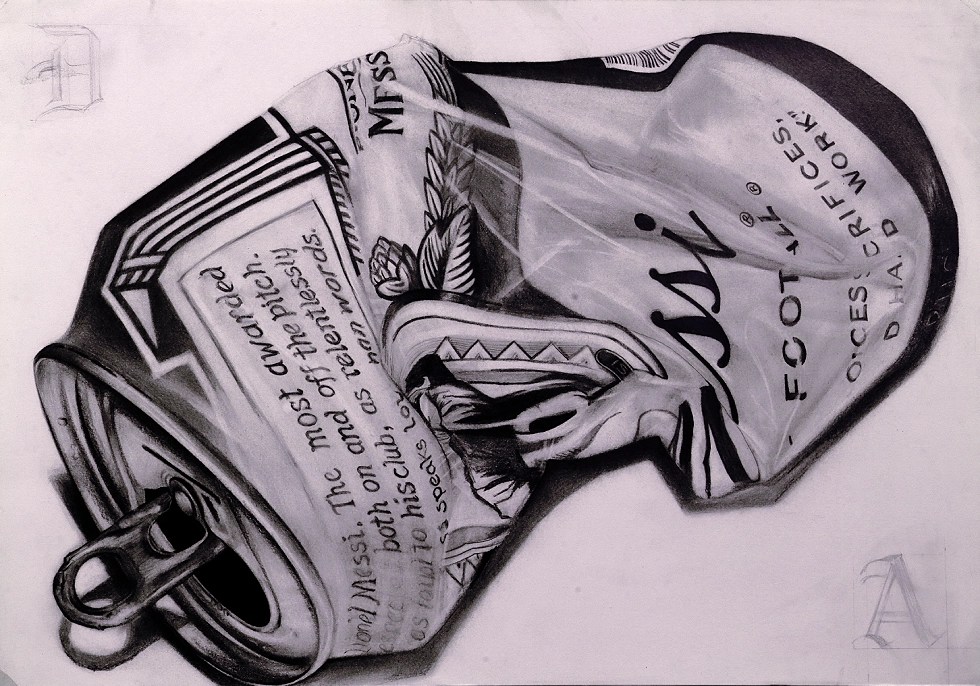
Current progress of work 28 05 2026
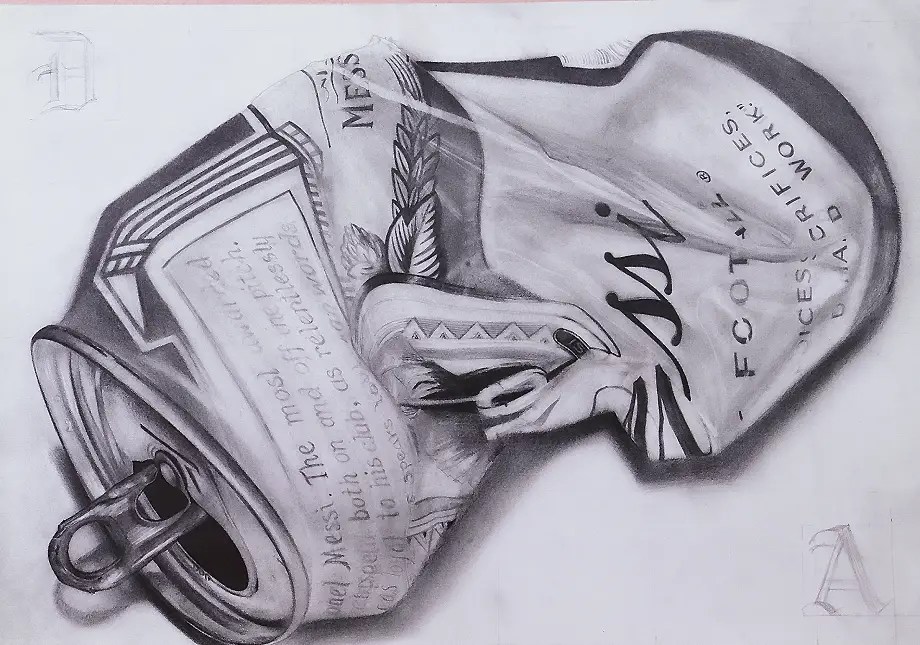
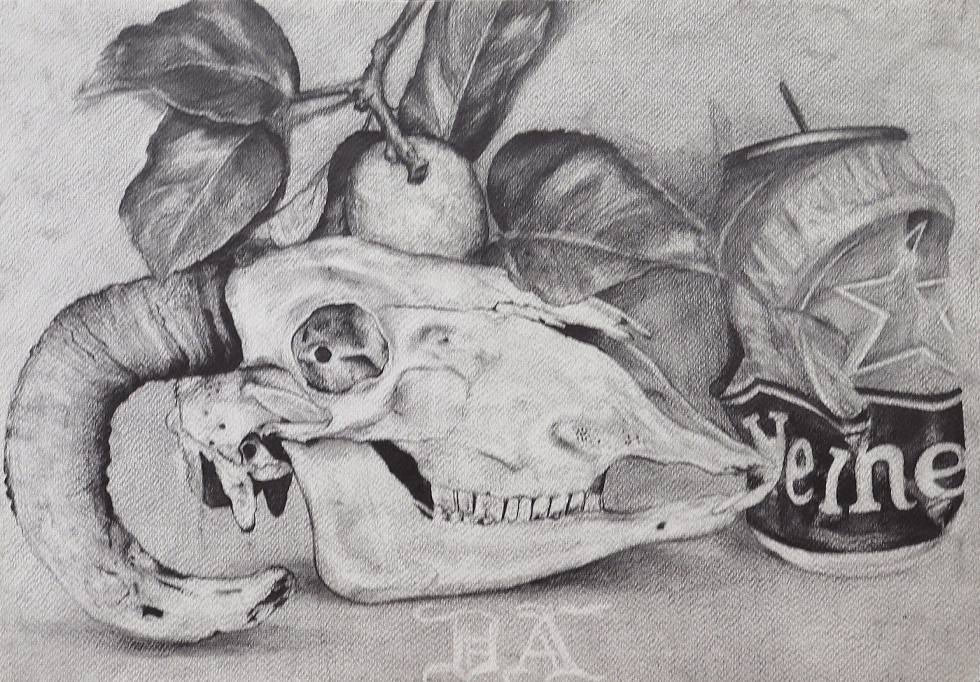
The Soda/beer can motif
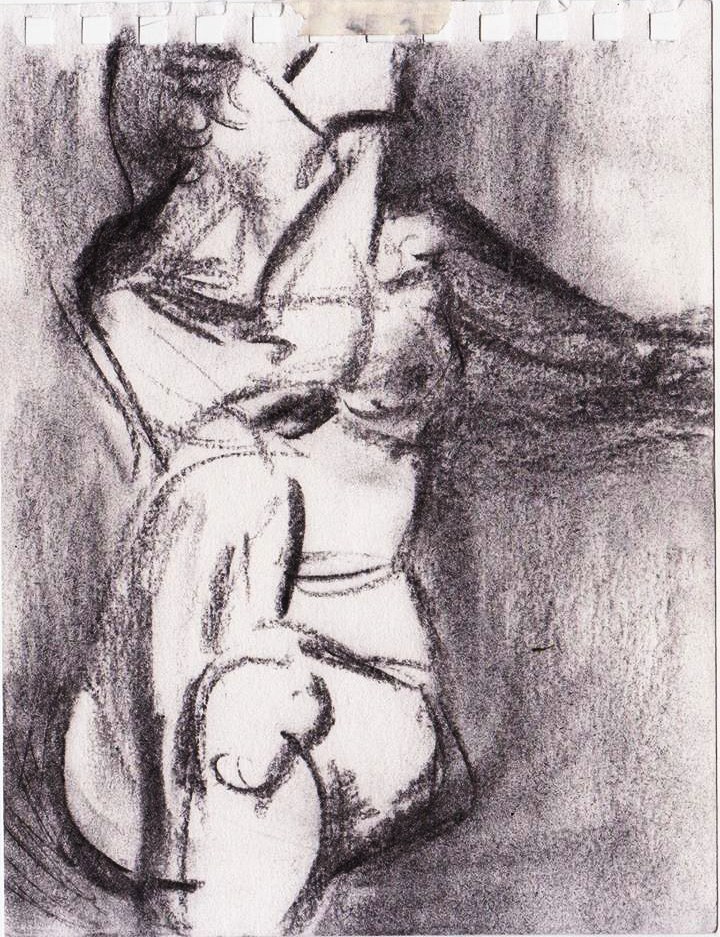
The motif of the soda or beer can within DA’s body of work likely made its earliest appearance in still-life studies from nature. These initial formative exercises in the art of representation through drawing consistently sought the effective rendering of volumetric forms. Whether through chiaroscuro (the effects of light and shadow) or by means of an «enveloping» contour line, the objective was always to make volumes and forms emerge from the two-dimensional plane of the paper. Nothing from this primary study phase has been physically preserved; however, some records of early works exist—low-quality, scarce digital traces passed from device to device to prevent the total loss of DA’s early output. In these works, aluminum cans appeared specifically due to their nature as volumes of revolution: in other words, cylinders with a flat base.
In the early drawings and studies from life of DA’s visual oeuvre, there was no aim other than the mastery of volumetry. In contrast, his painting—characterized by the search for technical plastic mastery, compositional framing, naturalism, and the mimesis of forms and surfaces—has always followed a more capricious and haphazard path. While DA’s graphic work exhibits an evolution following a certain progressive logic, his pictorial work lacks a single line of development. This is because painting, as a plastic medium, inherently presents multifaceted problems. Furthermore, one must consider that traditional academic training in the Fine Arts demands the mastery of drawing—specifically the mastery of mimetic drawing—and design as an exclusive prerequisite, as painting incorporates them as the structural scaffolding for any composition.
Consequently, in DA’s drawing, one always finds an inclination toward figuration and mimesis. Early studies included architecture and urban landscapes from life, where the problems to be solved involved space, volume, and the concepts of scale and perspective. It can be concluded, then, that aluminum cans appeared from the very first still-life studies in pencil and charcoal. In a later stage of the graphic work’s development, moving toward Photorealism, the intersection of drawing and the «can motif» was favored once again.
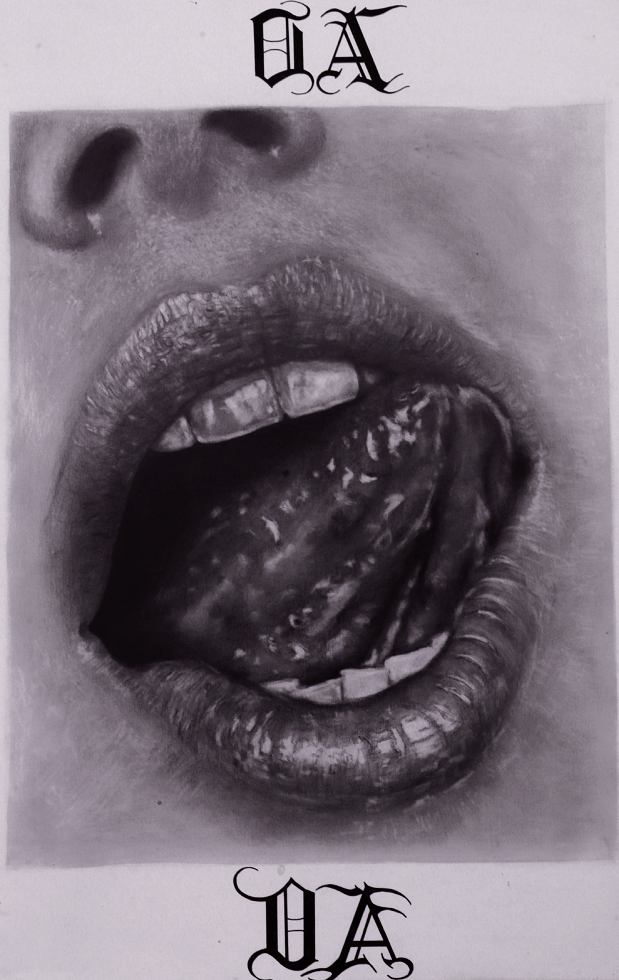
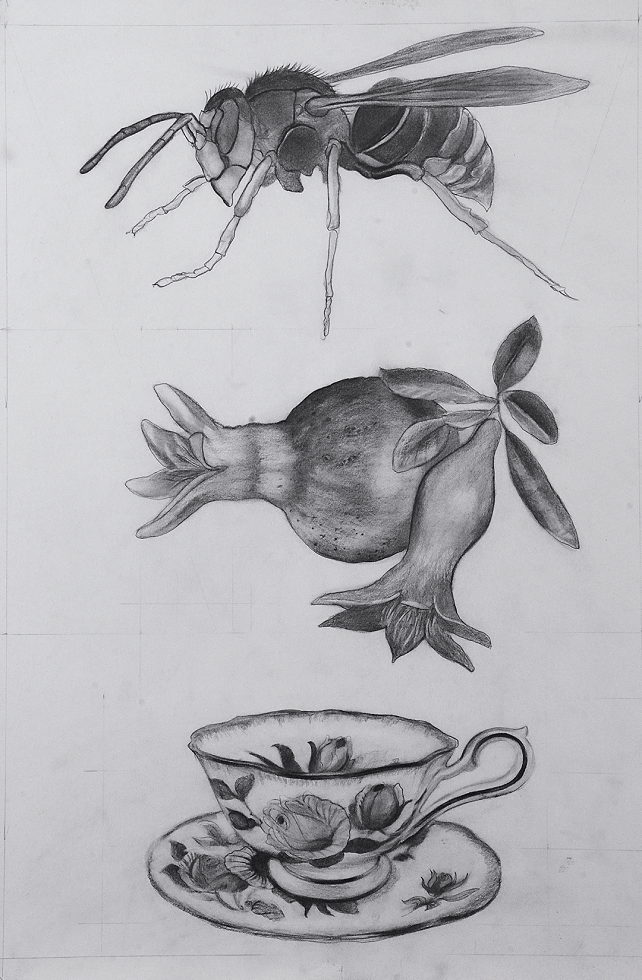
It is from 2019 onward that a serious interest in photorealistic drawing is observed in DA’s graphic output; by late 2021, a dozen highly accomplished photorealistic drawings had been produced. Photorealism rendered in graphite on paper is a medium that imperatively demands further development within DA’s overall production. It is accurate to speak of this as a genre, technique, and style still in an initial stage, rooted in the practice of drawing from life—both indoors and en plein air.
This incursion remained unfinished, interrupted by the havoc of the pandemic and the artist’s three-year hiatus to pursue engineering studies. This transition was necessitated by the production of his last three series in oil—and others conceived as medium-to-long-term projects—intended as products for the art market, museology, gallerism, or private collecting. Regarding future graphic production, and considering the artist’s trajectory, possible scenarios include the use of primed panels as a support for drawing, and potentially works involving washed paper sheets adhered to panels.