EARLYWORK
OBRATEMPRANA
Reverse
Oil on canvas
Series
2008 c
On the technical evolution of my painting, its metaphisical necessity and maturity as collectible
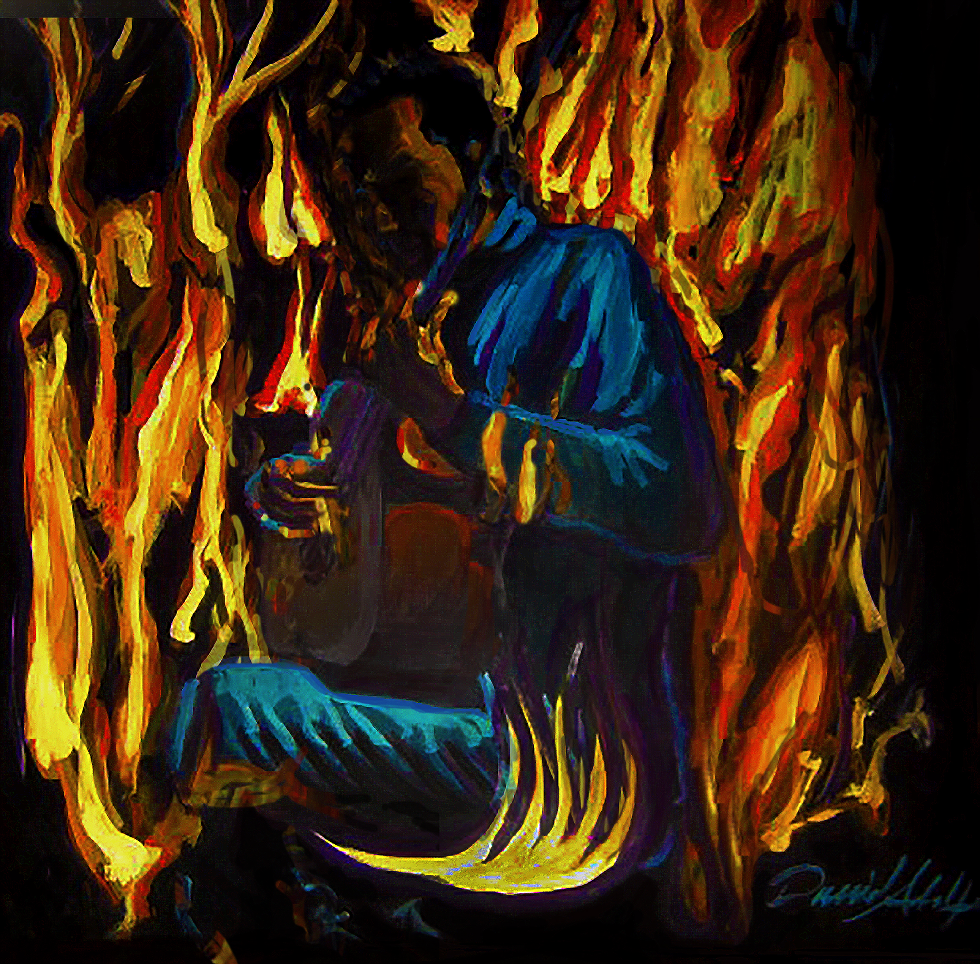
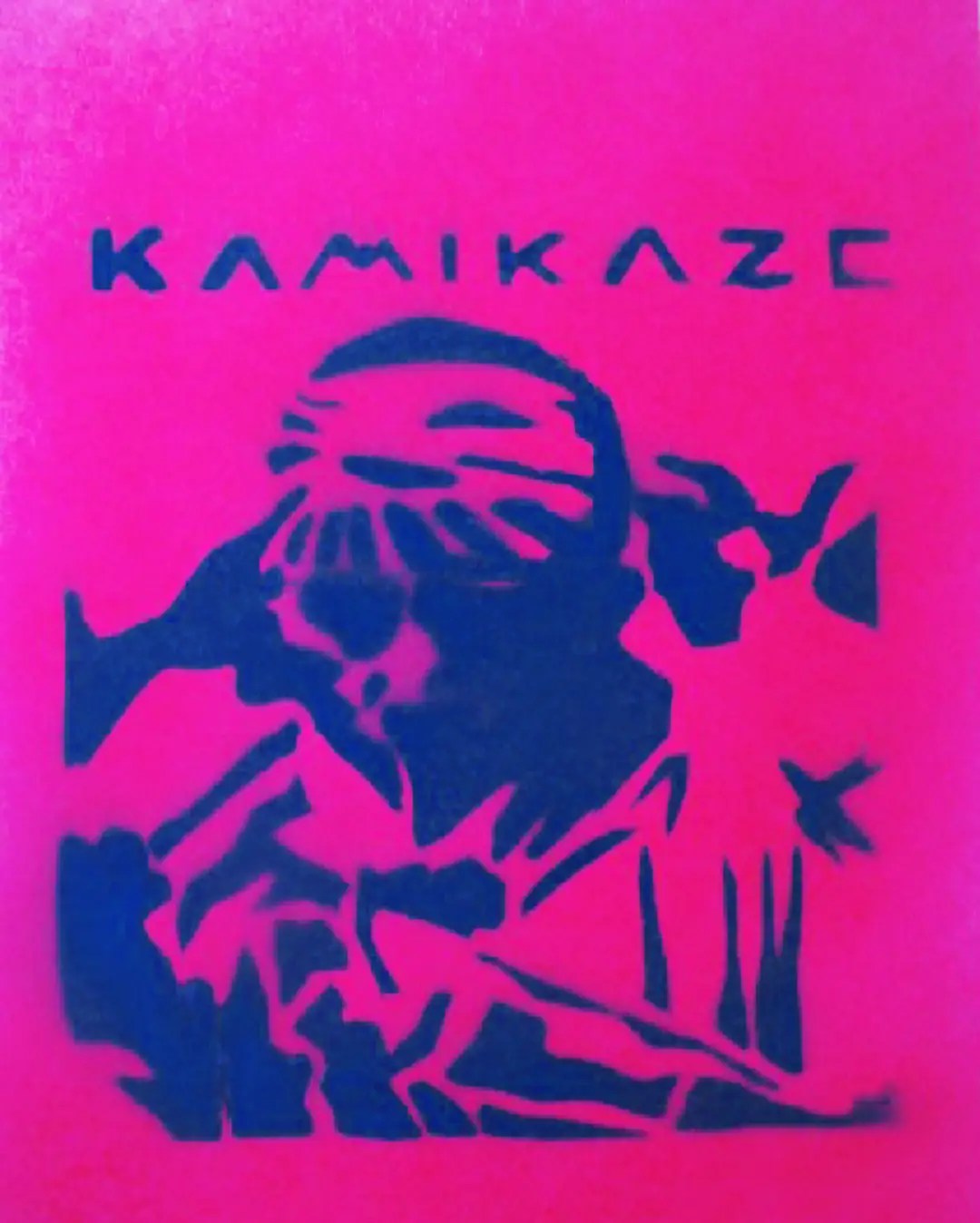
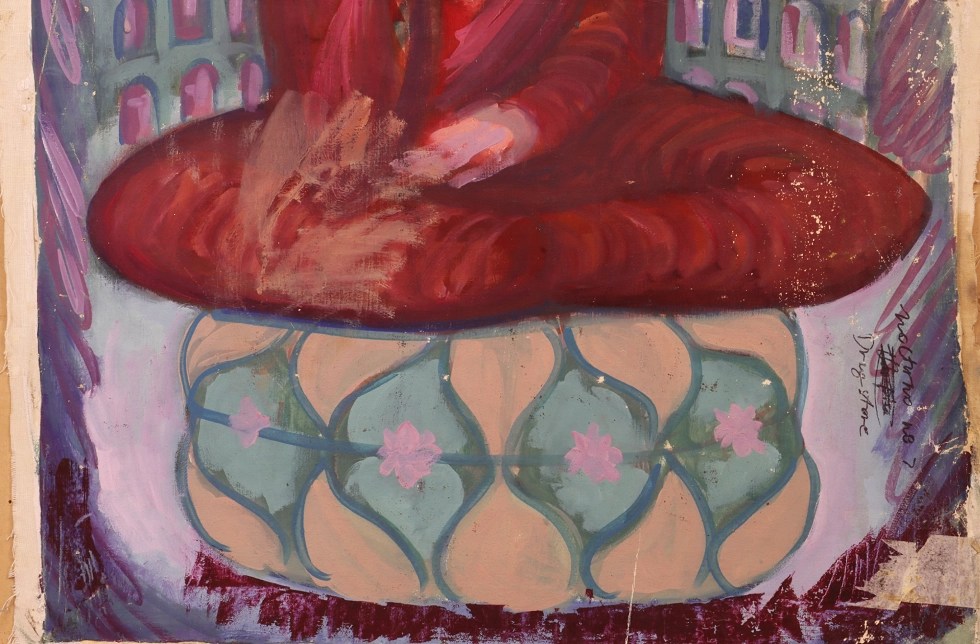
The subject represented here—a Buddha—belonged to a series inspired by ancient civilizations and their forms of spiritual, ritual, and mystical expression. It spanned everything from the worldviews of ancient America to the farthest reaches of millenary Asia (other «reverses» are preserved within the DA catalog). This piece is a vestige of a series of paintings from my period of study and experimentation. It was an early phase, yet it marked a second period of formal training that began after the age of 25.
One could speak of a first period of formation, apprenticeship, and experimentation in the visual and plastic arts from my early twenties until I was 25. (My earliest sculptural interests also appeared very early on, manifested in diverse forms and materials). This first stage also involved a great deal of drawing. By the age of 25—the start of what we might call the second period of training—I had read extensively on the theory and history of painting and was familiar with materials and their plastic possibilities: I had used water-based paints on many surfaces and experimented with oil on wood, paper, cardboard, and all types of fabric. I had also done both decorative and street-style mural painting.
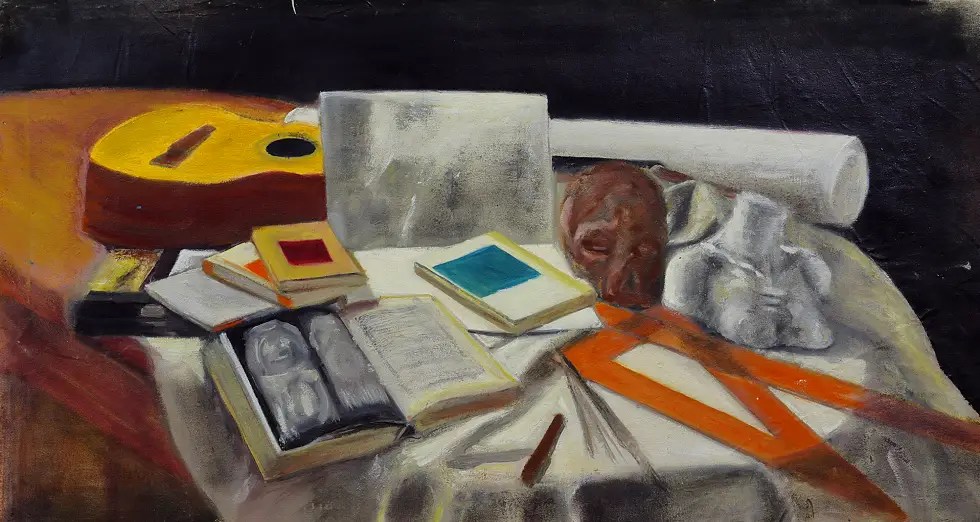
It was after 25 that I began to paint regularly on canvas mounted on stretcher bars, in front of an easel, in a studio setting. I worked with basic but very clear notions of different movements and the evolution of Painting throughout history, from medieval religious murals to the various contemporary avant-gardes. This was from an intellectual and theoretical perspective of the discipline. In practice—the craft of painting—I already understood how oil behaved on many surfaces and supports. Thus began a second period in which I tackled three thematic axes: the replica (master copies), the still life, and en plein air landscape.
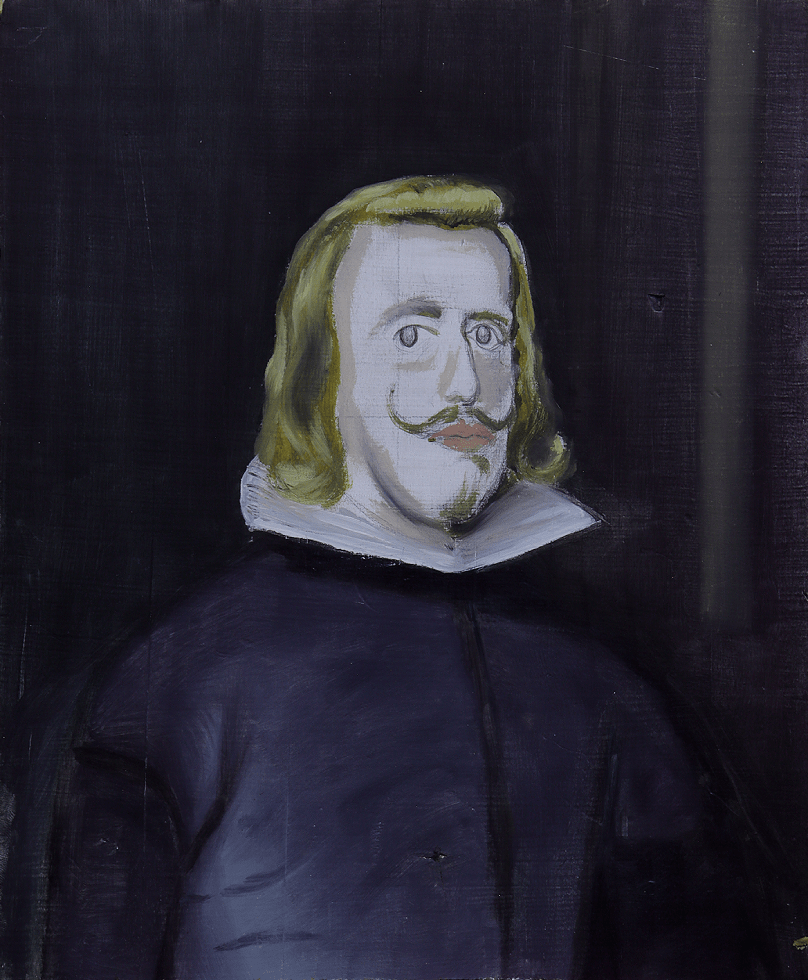
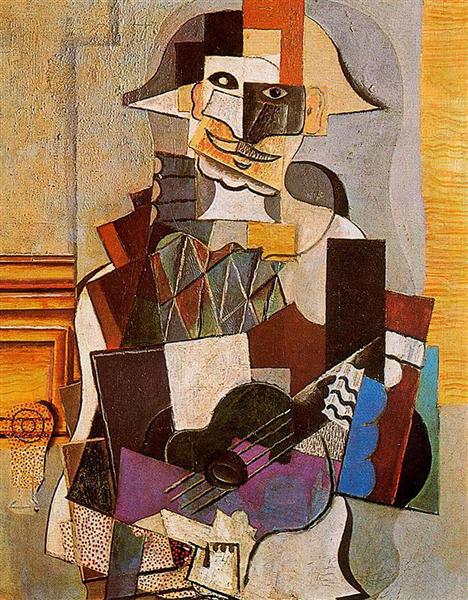
Almost nothing from that time survives. After thirty, when I began to paint professionally, I got rid of a lot of studio work. I progressively discarded that entire first period, considering it a stage of learning. This means that almost all the preserved D.A. visual work consists of paintings executed after the age of 27. Year by year, I destroyed work that, with the passage of time, seemed horribly naive and amateur. The painters I replicated most were Degas, Picasso, Titian, Rubens, Rembrandt, Caravaggio, and many Chilean paintings—on which I have even theorized quite recently. My en plein air painting included landscapes of fields, mountains, seascapes, horses, and lakes. The still life began to become a recurring exercise in painting from life (del natural), oriented toward mastering color and the palette, as my drawing was already quite controlled.
After this second period, we could theorize about a third: between ages 27 and 30, when my painting naturally began to dialogue with photography. Returning to the image in question, I have purposefully recorded the edges of the canvas, which can be seen «raw»—an unprimed edge where the fabric was stapled to the stretcher. It belongs to a series of paintings for which I prepared the priming myself. This is another procedure that became a characteristic trait of my apprenticeship: experimenting with different fabrics and grounds. I spent a decade on this.
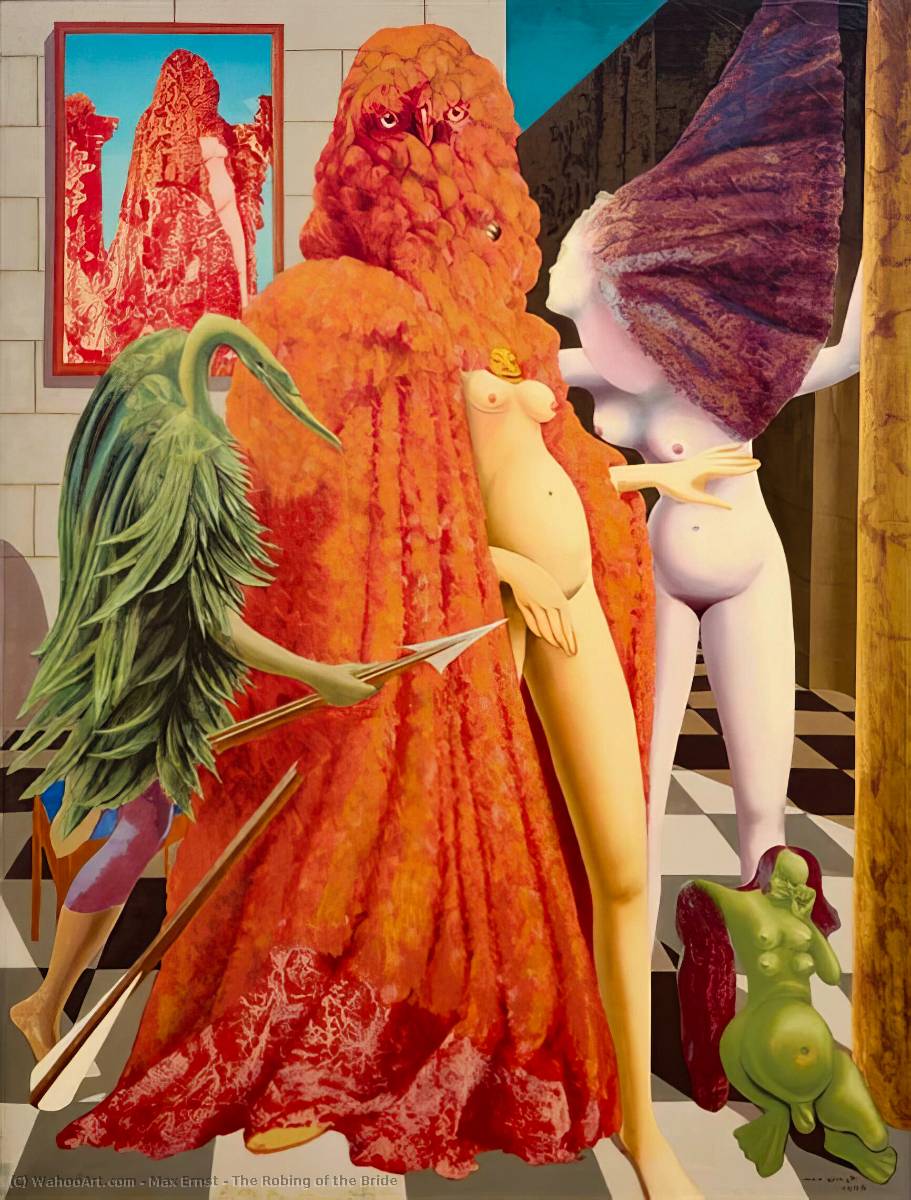
The primings in my own studio were plastic experiments where I devoted myself to preparing solutions on stretchers of varying dimensions, which I stapled myself. They were primed as many times as necessary because priming is a succession of layers until the fabric is no longer «permeable.» These experimental periods would last for six months; I would spend six months exclusively painting, though I naturally still maintained a very active social life. I worked intensely all day on priming processes or creative work. Many times I entered what we might call a «painting ecstasy.» In a certain creative trance, in the full vigor of youth, the canvas truly transforms into a white space—into nothingness—and the painter, the maker (the man of flesh), becomes the Self. This metaphysical exercise through painting is also something that was theorized well into modernity. Picasso and his Cubist work deal with this space and its geometric and volumetric possibilities. It is a painting that possesses metaphysics but expresses it geometrically, whereas Dada or Surrealism expresses it through a more «poetic» language. This is why months pass when a painter works intensely in the studio: it is a fascinating thing. I must return to this way of working at some point—treating painting as a personal, intimate exercise between the plastic space and the metaphysical Self.
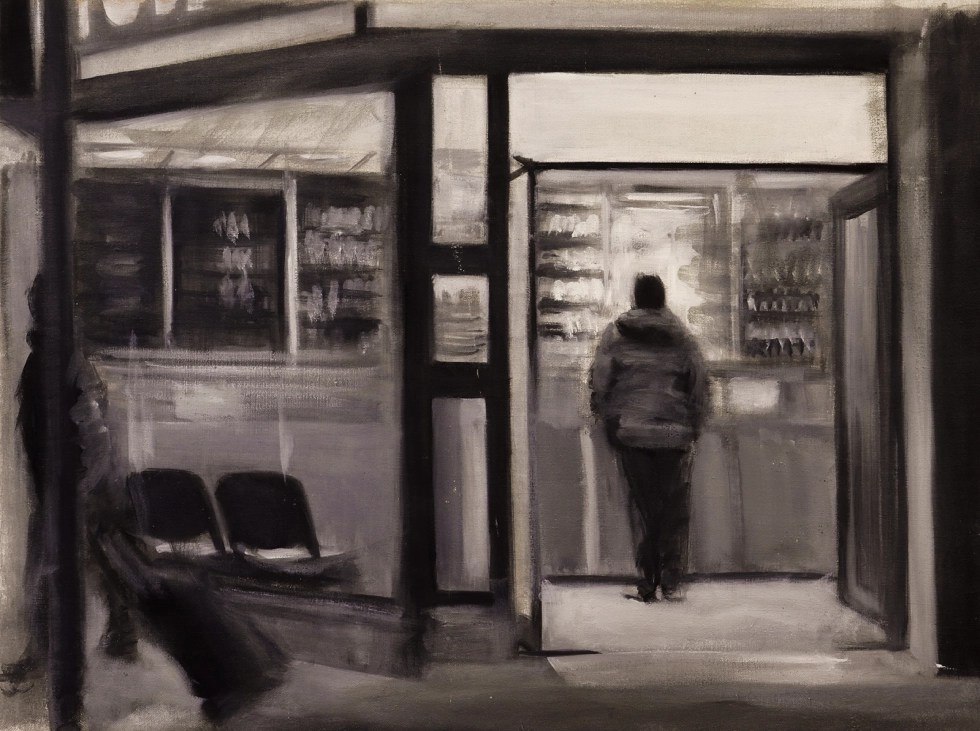
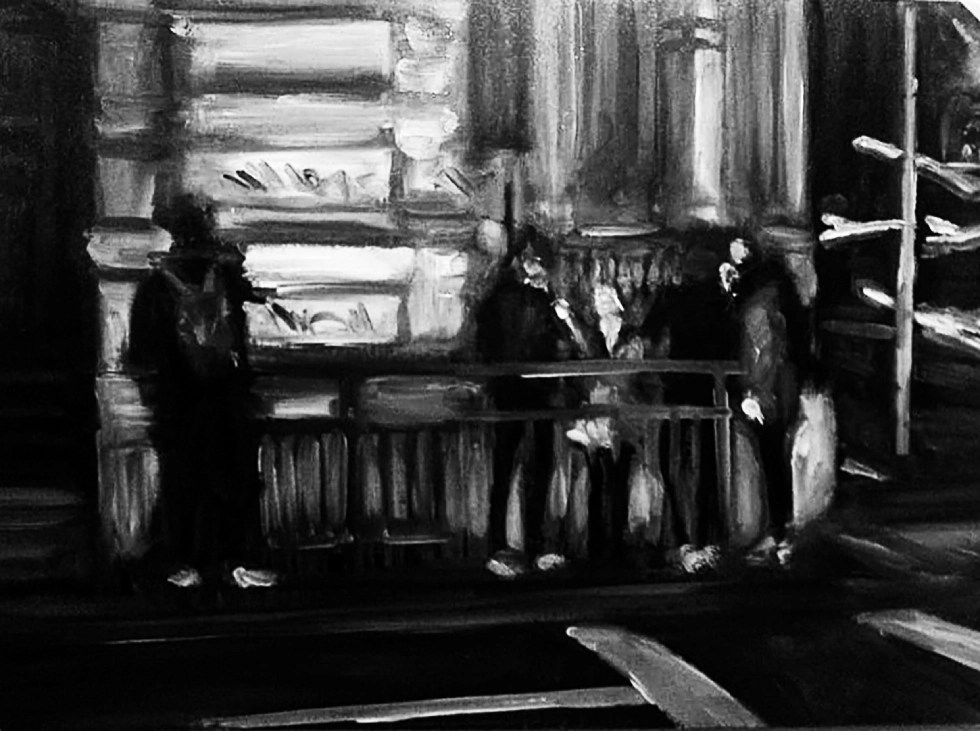
The painting in question has much of that. One sees a young artist, 25 or 27 years old, still trying to define his worldview, trying to find his place in the plane of existence, trying to anchor himself to certain spiritual coordinates through the medium of paint. I had a very active life and a busy social life as well. This reverse side has «Nocturno n 7, Drugstore» written in black marker. «The Nocturnes» were a series of photorealistic studies I executed around 2015. Using the back of canvases in the studio is a very common practice in the history of painting; all of us who have spent a lifetime in the discipline do it. It’s part of the trade. Of «The Nocturnes,» only this study is preserved (on the obverse, of course). It was a photographic series taken over one night in which I recorded urban life in Santiago. A record of a study called «We Are the Night» is still preserved.
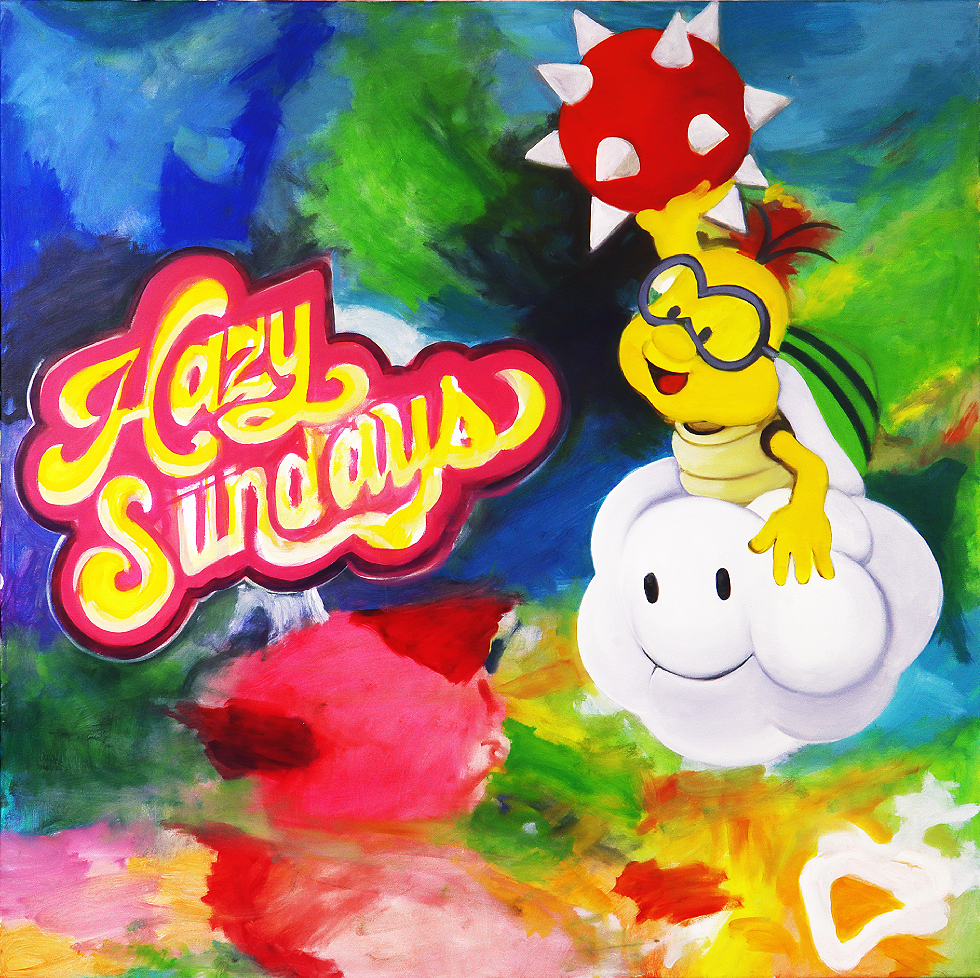
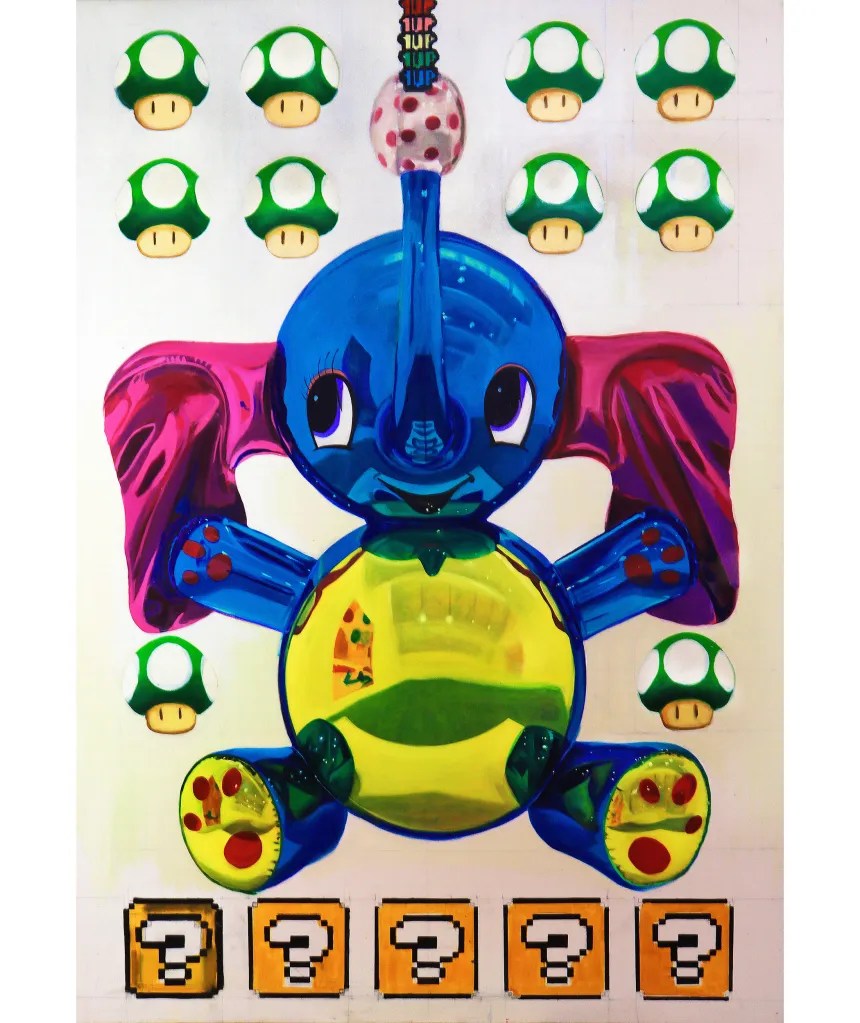
Up to this point (2013-2015), my work with painting was still a very metaphysical matter. Although I technically mastered all styles, including photorealism, I still painted in a whimsical and anarchic way—as an aristocratic exercise and out of intellectual vanity, to separate myself from the world. It was through appreciating the work of certain American photorealists and the paintings produced collectively in Jeff Koons’ studio—combined with the mediocrity of the local scene and the world of curating and galleries—that my painting decisively began to focus on a form of production aimed at a commercial goal and a specific, targeted market. This gave rise to the commercially «harder» series: Hazy Sundays, RGB, First Man on Mars. I consider them gorgeous, true jewels of contemporary painting. I intend to continue producing precious and commercial painting to encourage gallery interest and collecting. I consider this to be the true beginning of my painting. Even though I have been cultivating this art for twenty years, I intend to paint for forty more; I have much left to produce visually, and I also have an installation project in the works.
Sobre la evolución técnica de mi pintura, su necesidad metafísica, y su madurez como producto de coleccionismo
El tema aquí representado -un buda-, perteneció a una serie que estaba inspirada en las antiguas civilizaciones y sus formas de expresión espirituales, rituales y místicas. Incluía desde las cosmovisiones de la América antigua hasta las de los confines del Asia milenaria (existen otros reversos que se conservan dentro del catálogo DA). Es el vestigio de una serie de pinturas que forman parte de mi período de estudio y experimentación con la pintura. Un período temprano pero, un segundo período ya de formación, que comienza después de los 25 años. Desde mis primeros veinte hasta los veinticinco años, se puede hablar de un primer período de formación, aprendizaje y experimentación en el campo de las artes plásticas y visuales. (También aparecen muy temprano ya mis primeras inquietudes escultóricas manifestadas de muy diversas formas y con distintos materiales). Esta primera etapa de formación también incluyó mucho dibujo. A partir de los 25 años, que es cuando podríamos hablar de un segundo período de formación, ya había leído bastante de teoría y de historia de la pintura, y ya también conocía los materiales y sus posibilidades plásticas: ya había empleado pinturas al agua sobre muchas superficies, ya había experimentado con el óleo soportado en maderas, papel, cartón, y todo tipo de telas. También ya había hecho pintura mural decorativa y pintura mural de tipo callejera. Comienzo entonces después de los 25 años a pintar periódicamente sobre tela en bastidor, frente a un atril, en un taller, y con unas nociones básicas pero muy claras de los distintos movimientos y de la evolución de la Pintura en el curso de la historia, desde la pintura mural medieval religiosa hasta todas las vanguardias de la contemporaneidad. Esto desde el punto de vista intelectual y teórico de la disciplina. En lo práctico, en el oficio de pintar, ya conocía el comportamiento del óleo sobre muchas superficies y soportes. Comienza entonces un segundo período en el que abordaré tres ejes temáticos: la réplica, el bodegón y el paisaje au plein air. De todo eso casi nada se conserva. Después de los treinta, que es cuando ya empiezo a pintar de manera profesional, es cuando me deshago de mucha obra de estudio, y progresivamente, iré descartando todo ese primer período por considerarlo de aprendizaje. Esto quiere decir que casi toda la obra visual D A que se ha conservado, es pintura que he ejecutado después de los 27 años. Así, de año en año, voy destruyendo obra que después del correr de los años me parecía horriblemente naive y amateur. A los pintores que más repliqué fue a Degas, a Picasso, a Tiziano, a Rubens, a Rembrandt, a Caravaggio y muchos cuadros de pintura chilena de los que incluso he teorizado hace muy poco. La pintura au plein air incluía paisaje de campo, de montaña, de marinas, de caballos, de lagos. El bodegón comienza a convertirse en un ejercicio de pintura del natural muy recurrente y ya orientado al dominio del color y la paleta, porque el dibujo ya estaba bastante dominado. Después de todo este segundo período, podríamos teorizar sobre un tercero: entre los 27 y los 30 años, que es cuando de manera natural y por convergencia mi pintura comienza a dialogar mucho con la fotografía. Volviendo a la imagen en cuestión, he registrado muy a propósito los bordes de la tela, que se aprecia en crudo, un borde sin imprimar, que es por donde la tela ha sido engrapada al bastidor. Pertenece a las series de pintura a las que la imprimación las preparaba yo mismo. Este es otro procedimiento que se vuelve un rasgo característico de mi aprendizaje y experimentación en el oficio de la pintura: experimentar con distintas telas y distintas imprimaciones. Estuve en ello una década. [En lo último que estuve en mis primeros 30s fue leyendo sobre el «barro sevillano», que es una receta que supuestamente se usaba en la escuela en la que estaba iniciado Diego Velázquez. No es mucho lo que se sabe concretamente de esta imprimación, parece más bien una leyenda barroca, por lo menos no encontré literatura verdaderamente seria respecto de este tema, y aquí no profundizaré en esta cuestión.] Las imprimaciones en mi propio taller fueron experimentos plásticos en los que me volcaba yo a preparar soluciones de éstas, en bastidores de muy distintas dimensiones que engrapaba yo mismo para posteriormente ser imprimadas todas las veces que fuese necesario, porque la imprimación es una sucesión de capas hasta que la tela ya no es «permeable». Eran períodos experimentales que se extendían por espacio de seis meses; digo que estaba seis meses exclusivamente pintando, pero obviamente seguía todavía teniendo mucha vida social. Trabajaba muy intensamente todo el día en procesos de imprimación, o trabajo creativo. Muchas veces entré en lo que podríamos llamar un éxtasis en la pintura, y es que el lienzo en cierto transe creativo en pleno vigor de la juventud, realmente se transforma en el espacio en blanco y la nada y el pintor, el artífice, (el hombre que es de carne) se vuelve Yo. Esto del ejercicio metafísico a partir de la pintura también es una cuestión que se teorizó ya bien entrada la modernidad. Picasso y su trabajo cubista tiene que ver con este espacio y sus posibilidades geométricas y volumétricas. Es una pintura que tiene metafísica pero que se expresa geométricamente, mientras que el dada o e surrealista se va a expresar con un lenguaje más «poético». Por eso pasan meses cuando un pintor trabaja intensamente en su taller: es una cuestión fascinante. A esta forma de trabajar he de volver en algún momento. A trabajar la pintura como ejercicio personal e íntimo entre el espacio plástico y el Yo metafísico. Esta pintura aquí en cuestión tiene mucho de eso. Se ve un artista joven de 25 o 27 años todavía tratando de definir su cosmovisión, tratando de ubicarse en el plano de la existencia, tratando de fijarse y anclarse a ciertas coordenadas espirituales de manera plástica. Tenía una vida muy activa y de mucha vida social además . Este reverso tiene escrito con marcador negro «nocturno n 7, Drug store». «Los nocturnos», fueron una serie de estudios fotorrealistas que ejecuté cerca del 2015. Utilizar el reverso de los lienzos en el taller es una práctica muy usual en la historia de la pintura. Todos lo pintores que hacemos la época con la disciplina lo hacemos; es parte del oficio. Los nocturnos fueron un conjunto de estudios de los que se conserva tan sólo este estudio (por el anverso, se entiende). Fue una serie fotográfica a lo largo de una noche en que registré vida urbana en Santiago. Se conserva un registro de un estudio que se llama «We are de night». Hasta este punto, 2013- 2015, mi trabajo con la pintura todavía era una cuestión muy metafísica, y aunque ya técnicamente dominaba todos los estilos incluyendo el fotorrealismo, todavía pintaba de una manera caprichosa y anárquica; como ejercicio aristocrático y por vanidad intelectual; para separarme del mundo. Fue a partir de la apreciación del trabajo ciertos fotorrealistas americanos y la apreciación de la obra pictórica producida en conjunto en el estudio de Jeff Koons, sumado a la mediocridad del medio y del mundo de la curatoría y el galerismo, que decididamente mi pintura se empieza a enfocar en una forma de producir apuntando a un objetivo comercial y a un público y un mercado objetivo y acotado. Surgen ya las series más duras comercialmnte hablando: Hazy Sundays, RGB, First man on Mars, y que son de todas maneras preciosas, las considero verdaderas joyas de pintura contemporánea. Pretendo seguir produciendo pintura preciosista y comercial para incentivar el galerismo y el coleccionismo. Este es realmente el verdadero comienzo de mi pintura, lo considero así, y aunque ya lleve cultivando este arte veinte años, pretendo pintar cuarenta años más; me queda mucho por producir visualmente, y tengo además proyecto de instalación.